Selecting the Best Dumpster Size for Your Project
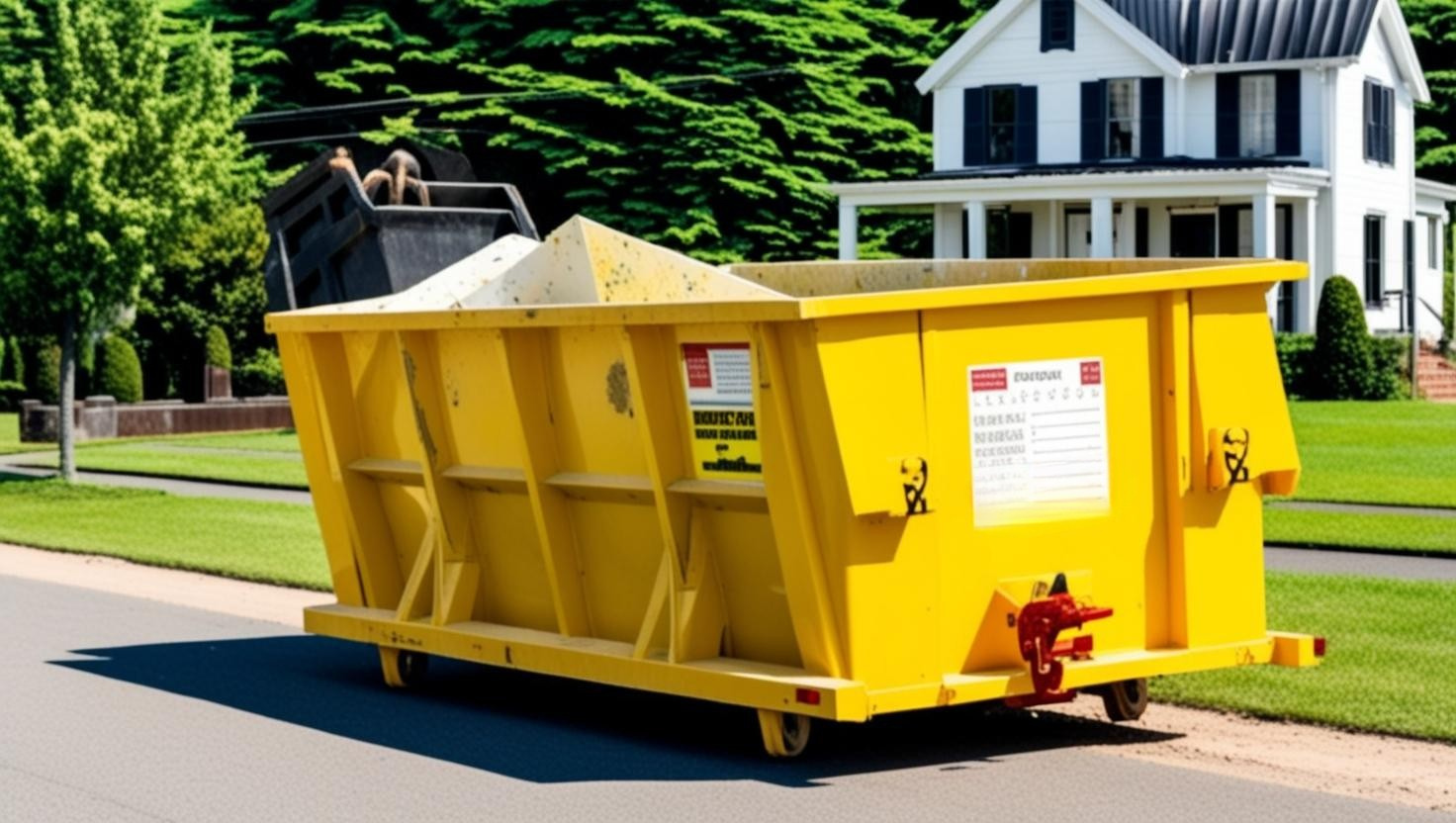
As you organize a cleanup, upgrade, or site project, it is easy to overlook the importance of selecting the right dumpster size. Often the work takes priority while waste management is forgotten, creating risks and inefficiencies. Choosing a dumpster that is too small may cause overflow and multiple hauls, while one that is too large may take up unnecessary space. Effective waste control begins with selecting the right container, making sure debris is managed cleanly and efficiently.
At Junk Bee Gone, we recognize the importance of this decision for your project’s success. Dumpsters serve beyond waste disposal, acting as an essential resource to keep worksites clear and safe. Understanding how to measure waste requirements helps you prevent setbacks and maintain workflow. Selecting the right size clears work areas and improves overall safety. By being deliberate, you turn dumpster choice into a planned step rather than a guesswork decision.
Assessing the Scale of Your Job
To begin selecting a dumpster, it is important to evaluate the full scope of the job. Jobs may range from minor cleanouts to major construction work. The volume of debris depends not only on the type of work being done but also on the materials involved. Items such as furniture, roofing, yard trimmings, or household junk all generate varying debris levels. Factoring in the total debris expected helps predict the right container size.
The length of your project also matters, because extended work produces additional debris. In projects with stages such as teardown and rebuilding, debris volume grows differently at each step. By accounting for these details, the selected container can manage debris continuously without problems. This approach prevents costly delays and reduces the need for additional pickups, keeping your project on track. Ultimately, reviewing scope and duration ensures better alignment between waste demands and the dumpster you select.
How Waste Materials Influence Container Selection
Different waste types require different planning, and knowing what materials you will dispose of affects container choice. Weighty items such as concrete and soil differ greatly from lighter materials like furniture or paper. The density and bulkiness of materials affect how much space is actually needed, even if the weight does not seem overwhelming. Failure to judge correctly may result in overloading or wasted capacity. Accurately assessing materials prevents misuse of container space.
Listing out debris categories ahead of time ensures a more precise dumpster match. Decide whether the job involves mostly renovation debris, yard waste, or household clutter. Each type of waste has unique characteristics that influence the best dumpster option. This awareness allows for better planning and helps maximize the value of your rental, ensuring that no space is wasted while also avoiding unnecessary strain on the container. Preparedness helps align dumpster capacity with the materials disposed.
Factoring Location and Position
Placement of the dumpster is a key factor in selecting the right container. The container’s location must allow easy service access and convenience for workers. Oversized containers on smaller sites often create practical problems. Conversely, a dumpster that is too small may force frequent moves, slowing down progress. Efficiency relies on balancing location with the container dimensions.
The site’s overall layout, such as driveways or open spots, should influence the choice. Measuring available space before making a selection prevents surprises during delivery. Accessibility is also crucial, as the dumpster should be positioned so that it does not block important pathways or create safety risks. Smart placement means the container remains practical and efficient to use from start to finish. Careful planning of space supports productivity and prevents avoidable complications.
Calculating Waste Volume Correctly
Correctly assessing how much debris your work will create is crucial when selecting the right container. It is common for people to misjudge debris buildup, often leading to overflow and added hassle. The most effective method is to create a structured plan starting with a list of all items and materials for disposal. Breaking the project into stages and calculating waste from each step can provide a more realistic picture. Such preparation reduces roll off dumpsters unexpected problems and ensures the chosen dumpster is suitable.
Imagining debris in terms of truckloads is another way to match it to container requirements. Big items such as furniture or large boxes often take up space faster than people assume. Leaning toward a larger estimate is usually better because it covers unexpected waste. Accurate assessment helps you pick a container that supports your project without disruptions. This preparation keeps the process manageable and avoids the stress of running out of capacity midway through.
Why the Proper Dumpster Size Matters
Picking an appropriate dumpster size gives advantages that extend past basic disposal. When a dumpster fits correctly, clutter is reduced, supporting both safety and productivity. Workers spend less time moving debris around and more time focusing on their tasks. This organization contributes to a more professional workflow, where tools and workspaces remain clear of unnecessary obstructions. In the end, having the correct dumpster leads to smoother work and reduced risks.
Another benefit is the reduction of unnecessary hauling or extra pickups. With a container that accommodates everything, progress flows steadily from beginning to end. It also supports better cost-effectiveness, since multiple hauls can be avoided. Most critically, the proper size container ensures progress without setbacks from debris overload. The right choice creates steady momentum and efficiency.
Working With Professionals for Guidance
When in doubt about the right dumpster size, working with experienced professionals is the best way to ensure success. They can assess your project needs and provide recommendations based on years of handling different types of waste. A trusted provider knows how to match container capacity with project demands, saving you from costly mistakes. Their insight is especially valuable for first-time renters or for those handling unusual types of debris. Expert advice simplifies the process and eliminates confusion.
Junk Bee Gone has helped numerous customers pick the ideal dumpster size for their projects. Our staff carefully considers details of your project, including debris type and quantity. We then suggest an option that balances convenience and practicality, helping you focus on your project instead of worrying about waste. This partnership provides peace of mind, knowing that your dumpster choice is backed by professional knowledge and experience. By trusting professionals, your waste management becomes simpler and more reliable.
Ensuring the Right Dumpster Decision
Picking the proper dumpster is a key factor in ensuring waste is managed effectively. Factoring in scope, debris, space, and estimates gives you clarity when choosing. Such measures support safety, organization, and productivity throughout the project. Careful planning prevents problems, ensuring the project flows without delays. Informed decisions about dumpster size build consistency and stability in any project.
At Junk Bee Gone, we focus on supporting customers in making well-informed waste handling decisions. With our knowledge, we can point you to a container that aligns with your job’s requirements. No matter if the project involves renovations, cleanouts, or construction debris, we guarantee smooth and dependable disposal. The correct dumpster lets you dedicate full attention to achieving project completion. Our goal is to provide dependable solutions that simplify the process and enhance results.